
Wellness in South Africa often gets framed as a big lifestyle overhaul, but most people do better with small changes they can actually keep. A full day is already packed with work, transport, family demands, and the kind of stress that builds quietly. The simplest wins are usually the ones that fit into that reality.
The good news is that better energy, steadier moods, and a more balanced routine do not require expensive products or complicated plans. A reusable water bottle, a short walk, a plate with more local produce, and a few minutes of calm can shift how the whole day feels. These eight steps are built to work in ordinary South African life.
8 simple steps that fit real life
1. Start with water you already have
Hydration is one of the easiest wellness habits to improve because it costs almost nothing in many South African metros. Tap water in places like Johannesburg, Cape Town, and Durban is generally safe to drink, so there is no need to wait for special drinks or bottled products. Keep a bottle with you, refill it often, and make water the default between meals. If plain water feels boring, add a slice of lemon or switch one sugary drink a day for rooibos tea. Small changes like that can improve focus, support digestion, and help with the sluggish feeling that often gets mistaken for hunger.
2. Walk more than you drive
Movement does not need a gym membership to count. A short walk to the spaza, a lap around the block after lunch, or a 20 to 30 minute stroll in the evening all add up. South African towns and suburbs often have places where walking is realistic, even if only for part of the day. Public spaces such as Delta Park in Johannesburg, Kirstenbosch in Cape Town, or the Durban beachfront make that easier. Walking supports heart health, clears mental clutter, and gives your body a break from long periods of sitting.
3. Build meals around local food
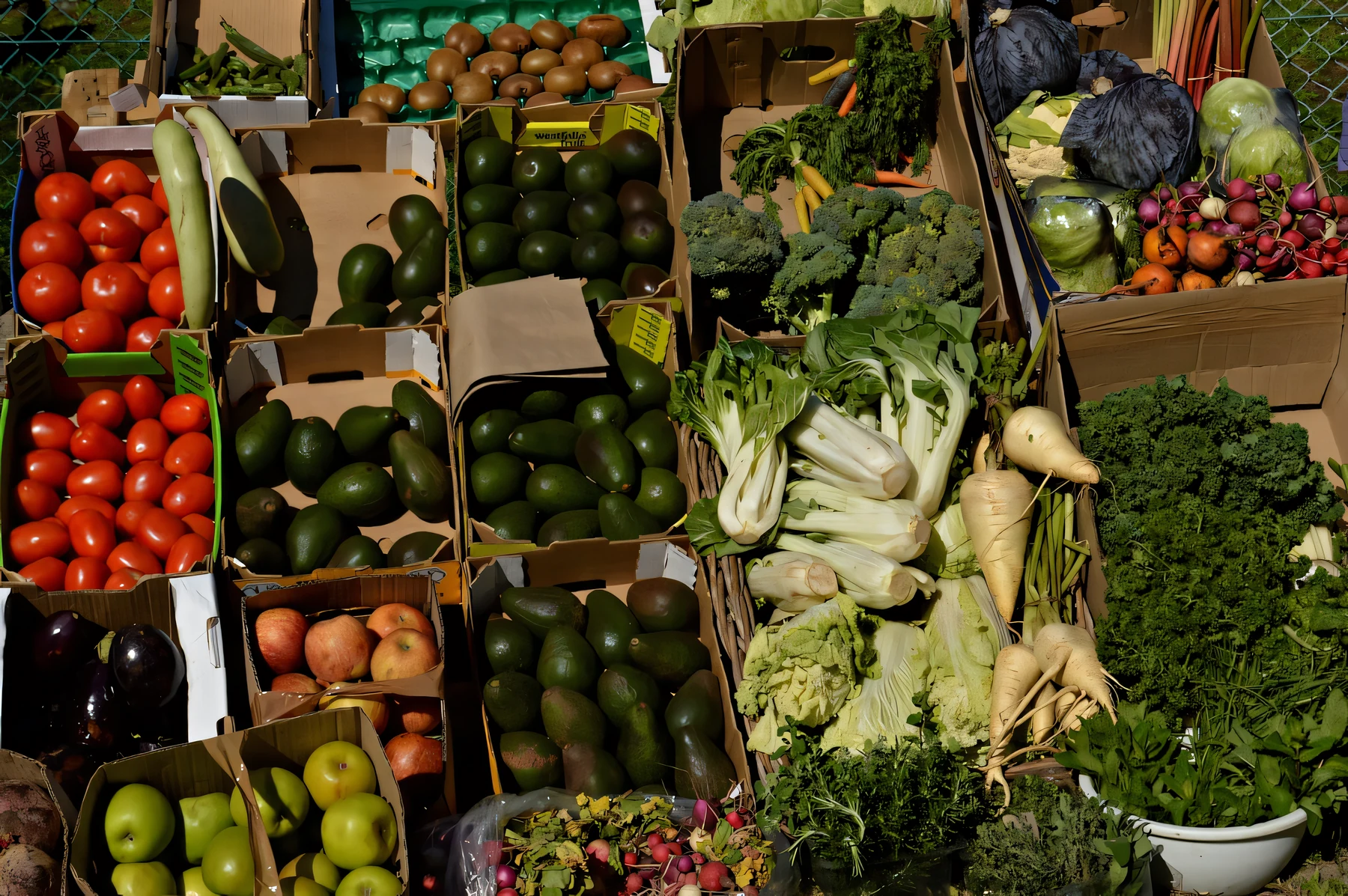
Healthy eating becomes easier when it feels familiar. Instead of chasing trendy diets, look for local foods that already belong in South African kitchens. Morogo, butternut, sweet potatoes, samp and beans, lentils, eggs, pilchards, chicken, and lean biltong can all play a role in balanced meals. Seasonal fruit and vegetables from community markets also help keep costs down. Eating this way is less about restriction and more about adding colour, fibre, and steady energy to your plate. If you slow the pace of meals and pay attention while eating, you are more likely to stop at comfortable fullness.
4. Treat sleep like part of your health plan
Many people try to improve energy with coffee, snacks, or sheer willpower, then ignore the thing that does the most work at night. A steady bedtime and a proper wind-down routine can change how you feel the next day. Aim for 7 to 9 hours where possible, dim the lights before bed, and step away from screens for a while if you can. Even a simple routine, like shower, tea, book, sleep, helps the brain settle. Better rest supports mood, memory, appetite control, and the kind of patience that daily life often demands.
5. Use sunlight on purpose
South Africa has no shortage of sunshine, and that makes outdoor time a useful wellness tool. A short spell in the morning light can help the body make vitamin D, which matters for bone strength and mood. Ten to 15 minutes outside, with some skin exposed, is enough for many people on brighter days. A quick pause in the yard, on the stoep, or during a morning walk can fit easily into a routine. Sunlight also gives the day a clear starting point, which can help when work and responsibilities blur together.
6. Stretch before the day gets noisy
Five to 10 minutes of stretching can loosen stiff muscles and wake up the body without draining your energy. Reach overhead, roll your shoulders, bend gently from side to side, and stretch your calves and hips. No equipment is needed, which makes this one of the most practical habits on the list. It is especially useful if you sit for long periods, drive often, or wake up feeling tight. A short stretch routine can also create a mental transition from sleep to action, which helps the day feel less rushed.
7. Stay connected to other people
Wellness gets stronger when it includes other people. South African life already has built-in social anchors, from stokvel meetings and church groups to weekend braais and family visits. Use them. Join a walking group, invite a neighbour for tea, or turn a family outing into a walk in a park. Connection lowers the sense of isolation that can build under pressure, and it gives people a reason to keep good habits going. Shared routines are easier to maintain than private promises, especially when life gets busy.
8. Make gratitude a daily reset
A gratitude habit sounds small, but it can change the emotional tone of the day. Think of three things that went well, write them down, or say them out loud to someone close to you. They do not need to be dramatic. A safe trip to work, a decent meal, or a quiet moment with tea all count. This practice helps pull attention away from constant stress and toward what is already working. Over time, that shift can support resilience, which matters in a country where mental health pressures are real and common.
Why these steps work
South Africans are dealing with real health pressures, including high rates of weight gain, diabetes, hypertension, and stress-related strain. Around 70 percent of adults are overweight or obese, and mental health concerns affect a large share of the population over a lifetime. That makes prevention more than a buzzword. These eight habits are useful because they are affordable, familiar, and easy to repeat. They work best when combined, not treated as a perfect checklist.
A bottle of water, a daily walk, a better bedtime, and a few minutes of sunlight or stretching will not fix everything. They do, however, give your body a more stable base to work from. In ordinary South African life, that is often the difference between just getting through the day and feeling properly equipped for it.