Large vehicles have changed the shape of everyday road risk. SUVs and pickups now sit higher, stretch further forward, and carry more mass than many older passenger cars, which gives their occupants an edge in a crash but leaves people outside the vehicle with less margin for error. For pedestrians, cyclists, children, and anyone moving at ground level, the danger often starts before the vehicle even makes contact.
The problem is visibility as much as impact. Taller noses, longer bonnets, and bulky front structures hide more of the space directly around the vehicle, especially in the zones where smaller bodies are easiest to miss. That makes cautious driving harder and turns routine manoeuvres, from turning left to rolling out of a driveway, into moments that demand far more attention than many drivers realise.
8 hidden ways large vehicles raise pedestrian risk
1. They hide more of the road right in front of the bonnet
The biggest issue with modern SUVs and bakkies is the size of the dead space in front of them. Insurance Institute for Highway Safety testing measured driver-side blind zones across 168 vehicles and found that, on average, a driver around 5-foot-9 could not see 27% of the left-front area, while a driver around 4-foot-11 lost 33%. In practical terms, that means a person stepping into the vehicle’s path may disappear from view at exactly the wrong moment.
2. They make turning movements far more dangerous
Left turns are especially risky because the driver is scanning across traffic while the vehicle’s front corner can still conceal a crossing pedestrian. The IIHS data linked large blind zones to a 70% higher chance of striking someone during a left turn compared with vehicles that have small blind spots. Medium blind zones still carried a 59% higher risk. For a Car News Site tracking motoring trends, that is a clear reminder that design choices inside the vehicle cabin can change outcomes on the pavement.
3. They have replaced old sightlines with taller, blunter fronts
Forward visibility has declined sharply in many newer SUVs and trucks compared with earlier versions, and in some popular models drivers now see less than half of the area directly ahead that they could see 25 years ago. Tall front ends, upright grilles, raised seating positions, and longer hoods all contribute to the problem. The result is a vehicle that feels commanding from the driver’s seat but conceals more of the street in front of it.
4. They are worst for the people who are already hardest to see
Children, shorter adults, wheelchair users, and people using mobility aids sit in the exact zone where these vehicles create the deepest blind spots. A small child near a parked SUV can be hidden completely from the driver’s line of sight. The same applies to a cyclist edging forward at an intersection or a pedestrian waiting close to the bumper. The taller the vehicle, the easier it is for a vulnerable road user to vanish below the line of view.
5. They turn low-speed mistakes into serious incidents
A slow-moving vehicle can still do severe harm if the driver cannot see the person in front of it. Consumer Reports describes these cases as “frontover” incidents, where a vehicle inches forward and strikes someone hidden in the blind zone. Driveways, parking lots, school drop-offs, and residential streets are all common settings. In those places, the danger often comes from a driver assuming the path is clear when it is not.
6. They increase the force of a crash when one happens
Mass matters. When a large vehicle hits a pedestrian, the energy transfer is greater than with a smaller car, and the injuries are often more severe. That is one reason pedestrian and cyclist deaths in the United States have risen in step with the spread of larger vehicles. The trend is not only about visibility, it is also about what happens after impact, when height and weight work against the human body.
7. They put more pressure on design changes that can help
Some of the fixes are already known. Lower bonnet heights would reduce the wall of metal between driver and road. Sloped front profiles, created by angling grilles and hoods, would improve what the driver can see close to the ground. Less obstruction from pillars and mirrors would also open up the view at corners and through turns. Claims Journal and the Colorado Department of Transportation have pointed to these changes as ways to improve visibility without sacrificing occupant protection.
8. They demand safer habits from drivers and pedestrians
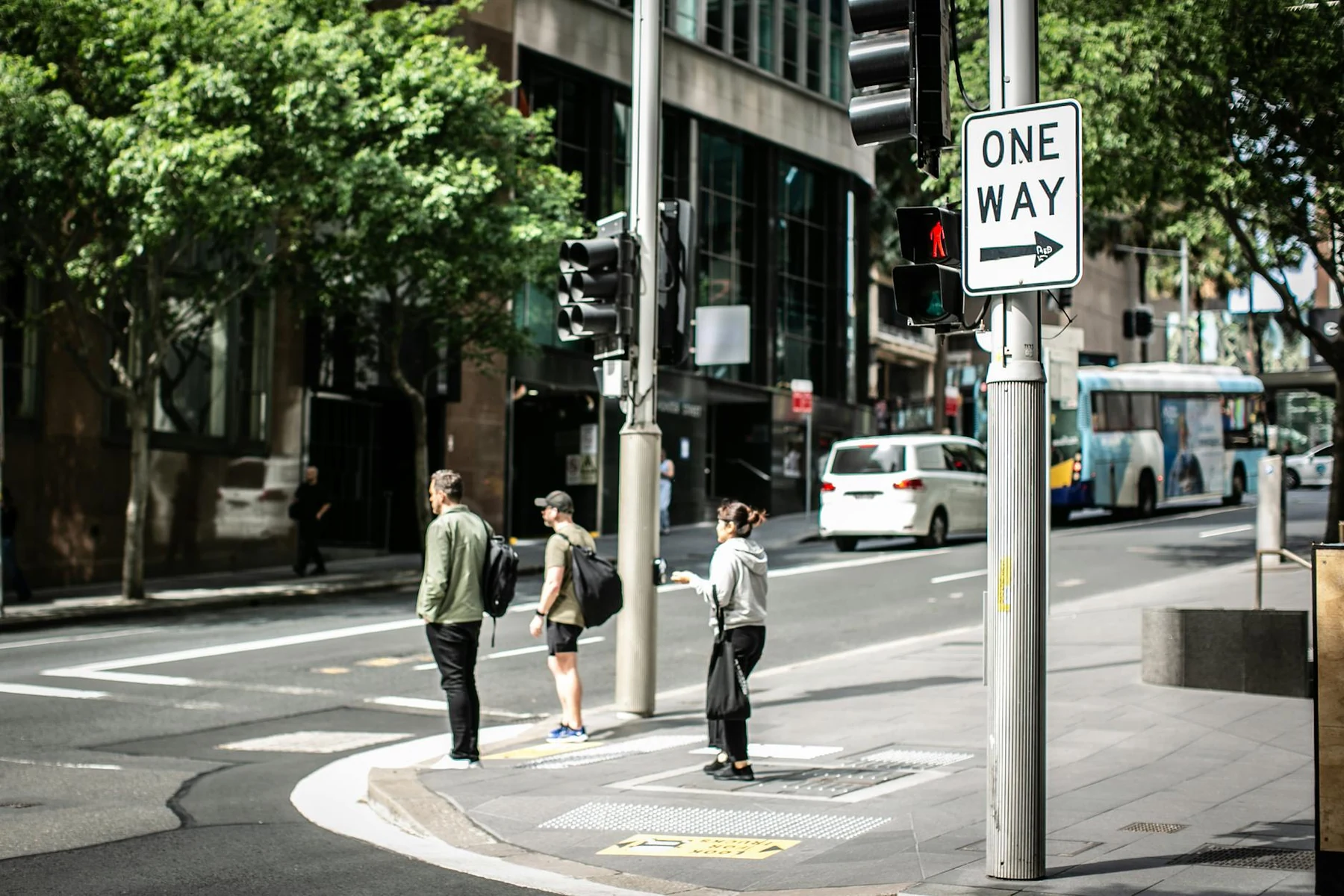
Technology can help, but it is not a cure-all. Sensors, cameras, blind-spot warnings, and pedestrian-detection braking systems can reduce risk if they are fitted correctly and kept in working order. Drivers still need to check mirrors, move slowly in tight spaces, and expect people to be hidden near the front corners. Pedestrians should assume a driver may not see them, make eye contact before crossing, use marked crossings when possible, and wear visible clothing, especially in low light. That caution matters most around vehicles with tall hoods and thick front pillars, where the margin for error is thin.
Large SUVs and pickups are now common enough that their blind zones affect ordinary walking, school runs, and roadside errands. The design shift toward height and bulk has created a quiet safety problem, and it falls hardest on the smallest road users. Recognising that risk is the first step toward safer vehicle design and safer behaviour around traffic.

Untracked entertainment spending can quickly deplete your fun money. Set a dedicated leisure budget and…
Your high electricity bill likely comes from a few heavy-use appliances. Focus on cutting usage…

As I get ready for bed, my mind is frequently racing with things to remember,…