Online shopping makes small decisions feel cheap until the checkout page adds its own revenge. A R699 gadget suddenly costs R849. A “free delivery” win turns into a cart full of junk you never wanted. A bargain seller on a marketplace turns out to have no local warranty, and the cheap price starts looking like a prank.
Don’t stop buying fun things. Slow down enough to catch hidden costs, sloppy comparisons, and pressure tricks. Use the same process every time, and your cart stops running your wallet.
The 24-hour pause
1. Leave the basket alone for a full day
Add the item, close the tab, and come back after 24 hours. If it still feels useful after the rush, it is probably worth a second look. If you forgot about it completely, you just saved yourself money and a delivery fee.
This pause matters because online stores are built for instant action. Countdown banners, “only 3 left” messages, and one-click checkout keep your hand moving before your brain does.
2. Check the delivered price, not the headline price
The number that matters is the total that lands at your door. A R699 appliance can become R849 once delivery is added. This doesn’t make it a bad buy, but it means the sticker price is not the final price.
Do the same check for overseas orders. Duties, VAT, and courier handling fees can turn a neat bargain into a far uglier total. If the final figure is close to a local option, the local option usually wins on convenience alone.
3. Match the exact model number
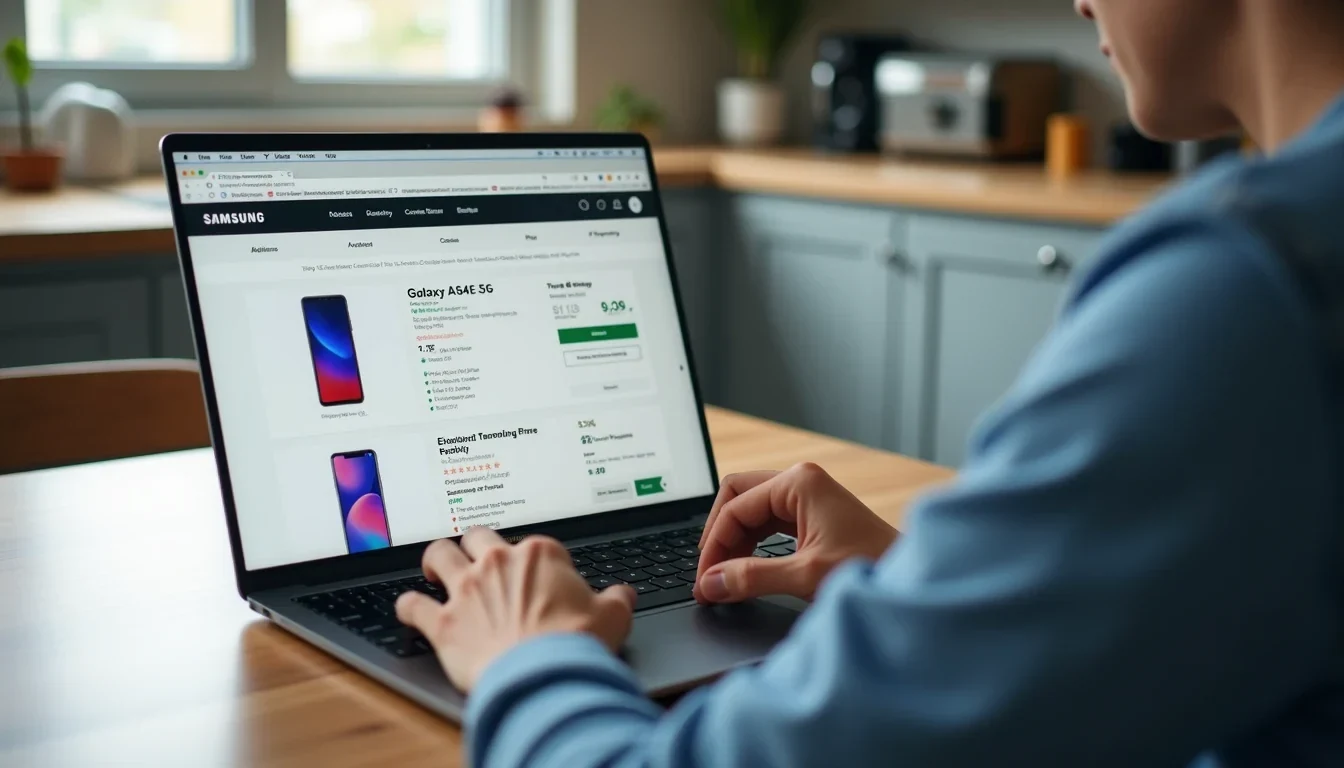
“Samsung A54” is not enough. “Samsung Galaxy A54 5G SM-A546E/DS” is the kind of detail that tells you whether you are actually comparing the same product. This rule applies to appliances, chargers, headphones, and anything with slightly different versions hiding behind one broad name.
Check the model code, voltage, storage, included accessories, and EAN or UPC if listed. A cheaper listing is not a saving if it is an older revision, a stripped-down version, or the wrong regional spec for local use.
4. Find out who is really selling it
A marketplace listing and a platform-owned listing are not the same thing, even if they sit on the same website. One is the platform’s own stock; the other is a third-party seller using the platform as a shopfront.
That difference matters when something goes wrong. A cheaper R699 marketplace appliance may arrive without a local warranty. If it fails, the refund and repair route can be much messier than buying directly from the platform’s own stock.
5. Read the return terms before you feel brave
The return policy determines if a bargain survives or dies. If the item is unsuitable, who pays to send it back? How long is the return window? Is there a restocking fee? Does the seller expect you to cover return shipping yourself?
For bulky items, the cost of sending something back can run from about R100 to R300. That can wipe out the saving you thought you made. If returning it would be painful, treat that as part of the purchase price.
6. Remove saved payment details
Saved cards make buying too easy. They shave off the tiny moment when you might have asked, “Do I actually want this?” That tiny moment is often the only thing standing between you and a pointless order.
Delete stored card details on sites you use loosely. Manually entering them once in a while is a useful speed bump. It forces a second thought, which is exactly what impulse buying hates.
7. Ignore free-delivery bait unless the add-ons are useful
A R75 delivery fee looks irritating, so people toss in another R300 of stuff to dodge it. That is not saving money. That is paying more to feel clever for ten seconds.
If you would not have bought the extra items without the threshold, they are not part of the deal. Add only what you genuinely need, then let the delivery fee stand on its own. Sometimes paying the fee is cheaper than pretending the extras were a sensible choice.
8. Ask how often you will actually use it
The best filter is embarrassingly simple. If the item will be used weekly, it has a stronger case. If it will be dragged out twice a year and then shoved into a cupboard, the real cost is higher than the price tag.
This is where the five-question check earns its keep. Before tapping Pay, ask:
- Do I actually need this?
- What is the total delivered price?
- Are the return terms acceptable?
- Is this the exact model and seller I want?
- How often will I really use it?
If one answer feels flimsy, wait. If two feel flimsy, walk away. The point is not to ban discretionary spending. It is to make sure the purchase still looks smart after delivery fees, return costs, warranty risk, and impulse pressure have all had their say.