
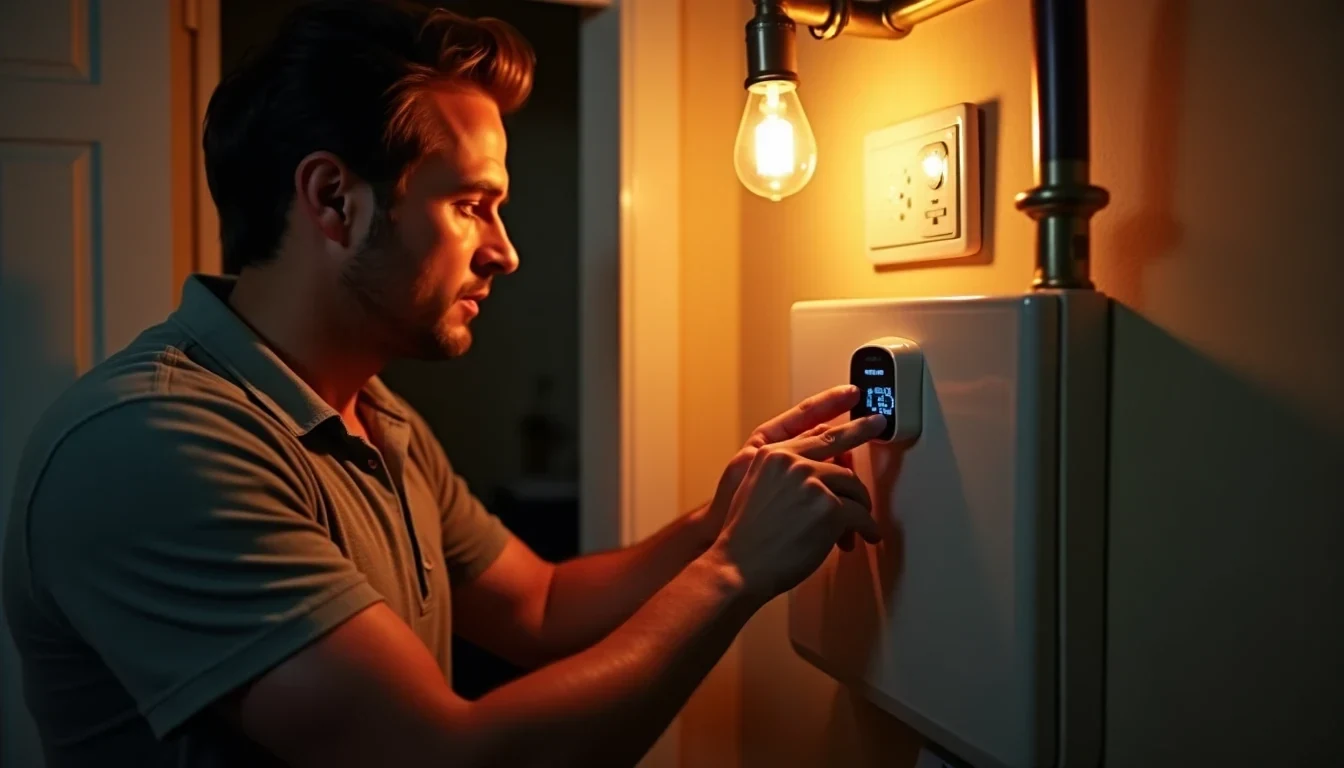
A high electricity bill rarely comes from one dramatic mistake. It usually comes from a handful of heavy users quietly stacking up hours: the geyser, the heater, the pool pump, the tumble dryer, and the old fridge that never quite seals properly. Cut those down and the bill moves in a way that tiny habits never will.
Use an illustrative rate of R3.00 per kWh for the examples below. At that rate, a 3kW appliance running for one less hour a day saves about 90 kWh in a 30-day month, or roughly R270. This is the scale you are looking for if you want a visible drop instead of pocket change.
8 practical changes that actually move the bill
1. Treat the geyser like a scheduled appliance
If the geyser heats all day, it becomes a background tax on your budget. A 3kW element left running for an extra hour uses 3 kWh, about R9 at the sample rate. Over a month, that is the difference between a geyser that works for you and one that works against you.
Keep the thermostat sensible, around 55 to 60°C, and switch to timed heating if the installation already supports it. Insulate the geyser and hot-water pipes if they are exposed, because heat lost on the way to the tap is money burned for nothing.
Safety note: do not tamper with wiring or fit a timer yourself unless a qualified electrician handles the job. A bad electrical modification is a nuisance until it becomes a fire.
2. Use less hot water without turning life into punishment
Showers, baths, and hot taps all pull from the same expensive bucket. A shorter shower cuts both water and electricity. A mixed shower that leans cooler reduces geyser demand without making the house feel Spartan. If one person trims five minutes from a daily hot shower, the monthly difference can be large because the geyser reheats less water every day.
This also includes simple discipline at the sink. Rinsing dishes under a full stream of hot water is expensive theatre. Fill a basin, wash efficiently, and stop running the tap while you scrub.
Practical note: hot-water savings work best when everyone in the house participates. One careful person cannot offset three people treating hot water like it is free.
3. Cut pool-pump hours to the point the pool still stays healthy
Pool pumps are often left running on autopilot long after the water has been filtered enough. A typical home pump sits in the 0.75kW to 1.5kW range, so every unnecessary hour has a cost. In many homes, summer filtration can be handled in a shorter daily cycle than people assume, while winter demand is usually lower still.
If the water is clear and the filter is clean, reduce run time gradually and check the result before cutting further. A clean filter also helps the motor work less hard.
Safety note: do not guess wildly or slash hours so far that the pool turns green. Save money, but keep the water usable.
4. Heat the room you are in, not the whole house
Space heaters are brutal on a bill because they turn power straight into heat. A 2kW heater running for three hours uses 6 kWh, about R18. Run that most evenings and the month disappears fast. Use it in one occupied room, close the door, and set it only as warm as comfort requires.
Layering clothes, sealing obvious draughts, and choosing a smaller heated space often beats blasting a larger one. If your home has a more efficient heating option already installed, use that before relying on resistive heaters.
Practical note: heaters need clear space around them. Curtains, bedding, and overloaded plugs near a heater are asking for trouble.
5. Run washing machines full, not half-empty
A washing machine uses less than a geyser or heater, but waste still adds up when you run it too often for small loads. Full loads spread the energy cost across more clothes. This is the only sensible way to use the machine unless the items are genuinely urgent.
Spin clothes well before they go in. A better spin cycle means less time in the dryer later, which is where the real savings show up.
Practical note: do not overstuff the drum. A packed machine washes badly and may just make you rerun the cycle.
6. Use the tumble dryer as a backup, not a habit
Tumble dryers are convenient and expensive in equal measure. They usually draw between 2kW and 4kW, which makes them one of the quickest ways to burn through units. If the weather allows, line-dry most items and reserve the dryer for bedding, rainy weeks, and last-minute jobs.
When you do use it, keep the lint filter clean and load it properly. A clogged filter and a sloppy load both stretch drying time.
Safety note: never run a dryer with poor airflow. Heat build-up is not a theory; it is how things break.
7. Check the fridge before you blame the household
A fridge or freezer runs all day, so a small fault becomes a large cost. Damaged door seals, bad positioning near heat, and poor temperature settings all push usage up. If the seal is weak, cold air leaks out and the compressor works harder to replace it.
Keep the fridge away from direct sun or heat sources, and make sure it closes properly every time. If the fridge is old and constantly cycling, it may be worth testing before replacing it on instinct.
Practical note: a failing seal is cheap to fix compared with months of extra electricity.
8. Measure the worst offenders with a plug-in meter
Guessing is how people waste money for years. A plug-in meter shows what a specific appliance is actually drawing, which makes the real culprits obvious fast. Use it on the fridge, the freezer, a heater, or any device that runs often and seems suspicious.
This is the cleanest way to separate habit from hardware. If a supposedly modest appliance is pulling far more than expected, you have a proper reason to replace it or use it differently.
Practical note: only use a meter designed for the appliance and follow its instructions. Do not start opening plugs or making DIY electrical changes.
Finish with a home energy audit
Walk through the house and check these eight things: geyser settings, hot-water habits, pool-pump hours, heater use, washing load size, dryer use, fridge seals, and the readings from a plug-in meter. If the bill is still abnormal, look for a leaking hot-water system, a faulty appliance, or a meter reading that does not match actual use.
The real answer usually lives there. Not in one dramatic bad habit, but in a few heavy users that need to be reined in properly.