A grocery bill rarely blows out because one dramatic thing went wrong. It creeps. A few extra fillets here, a convenience pack there, a bag of spinach that turns to slime in the crisper, a “special” that looked cheaper until it sat untouched in the cupboard. By the end of the month, a shop that should have stayed near R6 000 has quietly drifted past it.
The fix is boring in the best possible way. Build the basket better, waste less, and stop paying for convenience you do not actually need. Do that consistently, and a household spending about R6 000 a month can free up roughly R800 to R1 200 without turning dinner into punishment.
Eight smart moves that cut the basket
1. Plan meals from what you already have
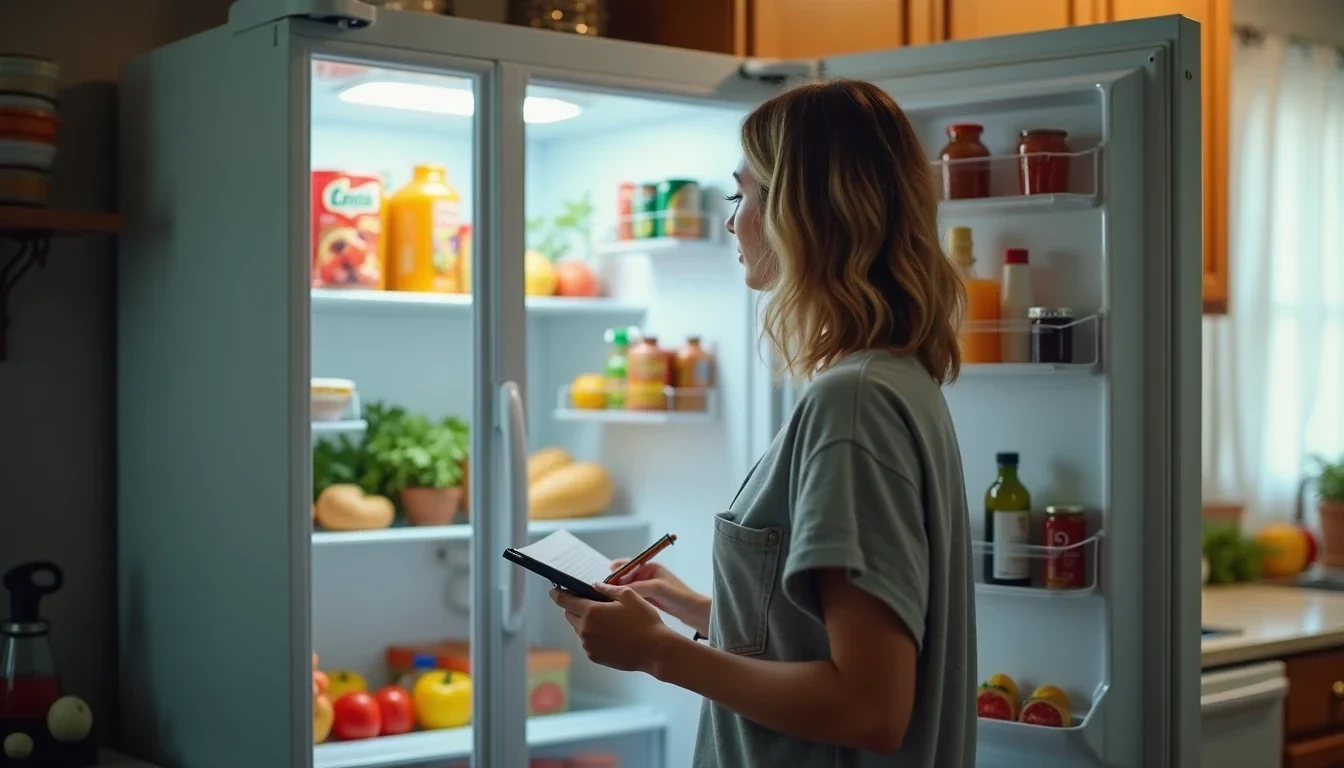
Before writing a shopping list, open the fridge, freezer, and pantry. Work backwards from what needs using up. Half a cabbage, cooked rice, a packet of mince, two forgotten carrots, and a tub of yoghurt can become dinner long before you buy anything new. Use those odds and ends first, then fill the gaps.
A simple habit does most of the work: give yourself 10 to 15 minutes to check what is close to expiring and build two or three meals around it. A tray of chicken wings becomes supper with roast veg. A leftover chicken carcass becomes stock. A tired bunch of spinach goes into eggs or soup. This alone can free up around R200 to R300 by cutting spoilage and duplicate buys.
2. Check the unit price, not the sticker price
The bigger pack is not automatically the better buy. Shelf price can lie with a straight face if you do not compare price per kilogram or litre. A 2kg bag of rice may look cheap until a 5kg bag works out lower per kilo. The same goes for oil, flour, and cereal.
Use the small print on the shelf label at Checkers, Pick n Pay, Shoprite, Woolworths, or wherever you shop. Compare like with like, then stop paying for packaging. A 500g pack of chicken fillets at about R139.98/kg is a very different purchase from a 1kg pack of frozen chicken portions at about R119.99/kg. The habit can shave off R50 to R100 for every R1 000 spent on staples.
3. Buy flexible proteins
Protein is where a lot of budgets leak. Fillets and neat little packs feel convenient, but convenience is expensive. A whole chicken, chicken portions, eggs, dried lentils, chickpeas, beans, and soya mince give you more meals for less money and still let you cook proper food.
A whole chicken can be broken into several meals, plus stock from the bones. Chicken thighs and drumsticks usually beat fillets on value. Eggs cover breakfast, lunch, or supper without fuss. Dried legumes, bought in 500g bags for about R25 to R40, stretch stews and curries far better than a second pack of meat. This is where another R150 to R250 can come out of the bill.
4. Let seasonal produce do the heavy lifting
Fresh produce gets expensive when you insist on eating out of season. Summer tomatoes, grapes, peaches, and watermelon usually cost less than their winter cousins. Winter gives you cheaper citrus, cabbages, potatoes, carrots, and other root vegetables. Shop with that rhythm instead of fighting it.
Frozen vegetables also deserve a place here. If fresh broccoli or peas keep ending up in the bin, buy frozen and stop paying for waste. You still get the veg on the plate, just without the guilt and the mouldy disappointment. Seasonal buying can save R80 to R150 a month, and frozen veg can protect even more of that by reducing spoilage.
5. Use house brands where quality holds up
House brands are not a downgrade by default. For staples like flour, milk, rice, pasta, plain yoghurt, canned beans, sugar, and cleaning basics, store brands often come in 15 to 30 percent cheaper than the national label. That difference is real when the item is going into porridge, sauce, or baking, not a status contest.
Do not switch blindly across every item. Taste-test the ones your household uses most, then keep the winners. A basket that is 30 to 50 percent house brand can save another R150 to R300 a month without making meals worse.
6. Treat specials like math, not temptation
A special is only a saving if you needed the item anyway. BOGOF deals, deep discounts on snacks, and half-price treats have a nasty habit of turning into extra spend. If the item was not on your list, it was not saving you money. It was buying the retailer a larger basket.
If you would not have bought it at full price this week, do not suddenly call it a bargain. The same goes for perishable specials. A cheap avocado that rots before you use it is not a win, it is R15 in the bin. Cut the impulse purchases and you can keep another R100 to R200 in your pocket.
7. Freeze before food turns into waste
A freezer is a delay button for money. Bread, grated cheese, chopped herbs, cooked rice, stock, ripe bananas for baking, and meat you will not use in the next two days can all go in there before they spoil.
This works especially well with fresh produce and bulk protein. If you see that the spinach is fading or the chicken pack is bigger than this week’s plan, freeze it immediately in portions. That keeps your shop from turning into a bin audit two days later. Waste reduction is one of the fastest ways to protect R200 to R300 a month.
8. Set one weekly top-up limit
The small shops are where budgets go to die. A loaf, milk, chips, juice, and a “quick stop” snack can easily swallow more money than the planned monthly shop. Put a hard ceiling on top-ups and keep it modest.
For most households, that means one weekly top-up limit for the gap items only, not a second shopping trip disguised as convenience. If the limit is R150 or R200, stick to essentials and move on. The point is to stop drift before it becomes habit.
A simple basket shift
A common R6 000 basket might look like this before the reset: too much fillet chicken, branded cereals, convenience snacks, out-of-season veg, and a pile of items bought on impulse.
After the reset, the same budget looks different: more chicken portions and eggs, dried lentils added to two meals, house brands for staples, seasonal produce, frozen veg for backup, and fewer throwaway specials. That is where the R800 to R1 200 saving comes from. Not from eating less, but from buying less waste and more food.
Before your next shop, spend 15 minutes on a fridge, freezer, and cupboard check. Pull out what must be used first, note what is already there, and rewrite the list around that. It is the smallest grocery habit with the biggest effect.